THE NAME IS NOT ENOUGH
An ingredient name tells you what is present. It does not tell you whether the amount resembles quantities investigated in research.

CODE LAB™
Why the amount of an ingredient matters—and why finding the right name on a label is only the beginning.
“Clinically dosed” generally means an ingredient is included at an amount informed by relevant human or clinical research—not merely at a nominal quantity for label appeal.
It does not have one universal regulatory definition, it does not mean “the biggest amount,” and it does not prove that the finished product itself has been clinically tested.
CODE in 30 seconds
An ingredient name tells you what is present. It does not tell you whether the amount resembles quantities investigated in research.
Research evaluates specific ingredients, forms, amounts, time periods and participant groups.
A purposeful amount considers evidence, ingredient form, safety, tolerability and the complete formula.
Compare the ingredient, its form, the disclosed amount, the wider formula and how realistically you will take it.
Try the label test
Product A
5 MG
Product B
200 MG
Finding a researched ingredient on a Supplement Facts panel does not automatically mean you are getting an amount comparable to what has been studied.
“Fairy dusting” is an informal term for including a desirable ingredient at a very small amount, sometimes primarily so its name can appear in marketing. Presence and a meaningful amount are not synonymous.
An ingredient tells you what is there. The dose tells you how much.
Researchers study specific ingredients at specific quantities, over defined periods, in particular groups of people. Another study may investigate a different amount.
Responsible formulation also considers the exact ingredient form, extract concentration, intended use, safety profile, tolerability and combination with other ingredients. Clinically considered should mean purposeful—not simply more.
Myth check
Some compounds are studied in grams, others in milligrams, and others in micrograms. The largest number is not automatically the most appropriate one.
Research can inform formulation, but an ingredient studied at a particular dose does not mean a finished multi-ingredient formula is itself clinically proven. Ingredient evidence and finished-product evidence are different.
CODE organizes formulation around three nutritional purposes rather than the longest possible ingredient list. Select a formula to inspect the disclosed amounts highlighted in the original article.
BRAIN CODE™
Selected compounds at disclosed amounts in a formula centered on cognitive nutrition.
Amounts shown are the disclosed amounts in the article supplied by CODE. Always refer to the current product label.
Dose is not the entire story. Delivery asks how the formula is presented. Consistency asks whether the routine is realistic enough to repeat.
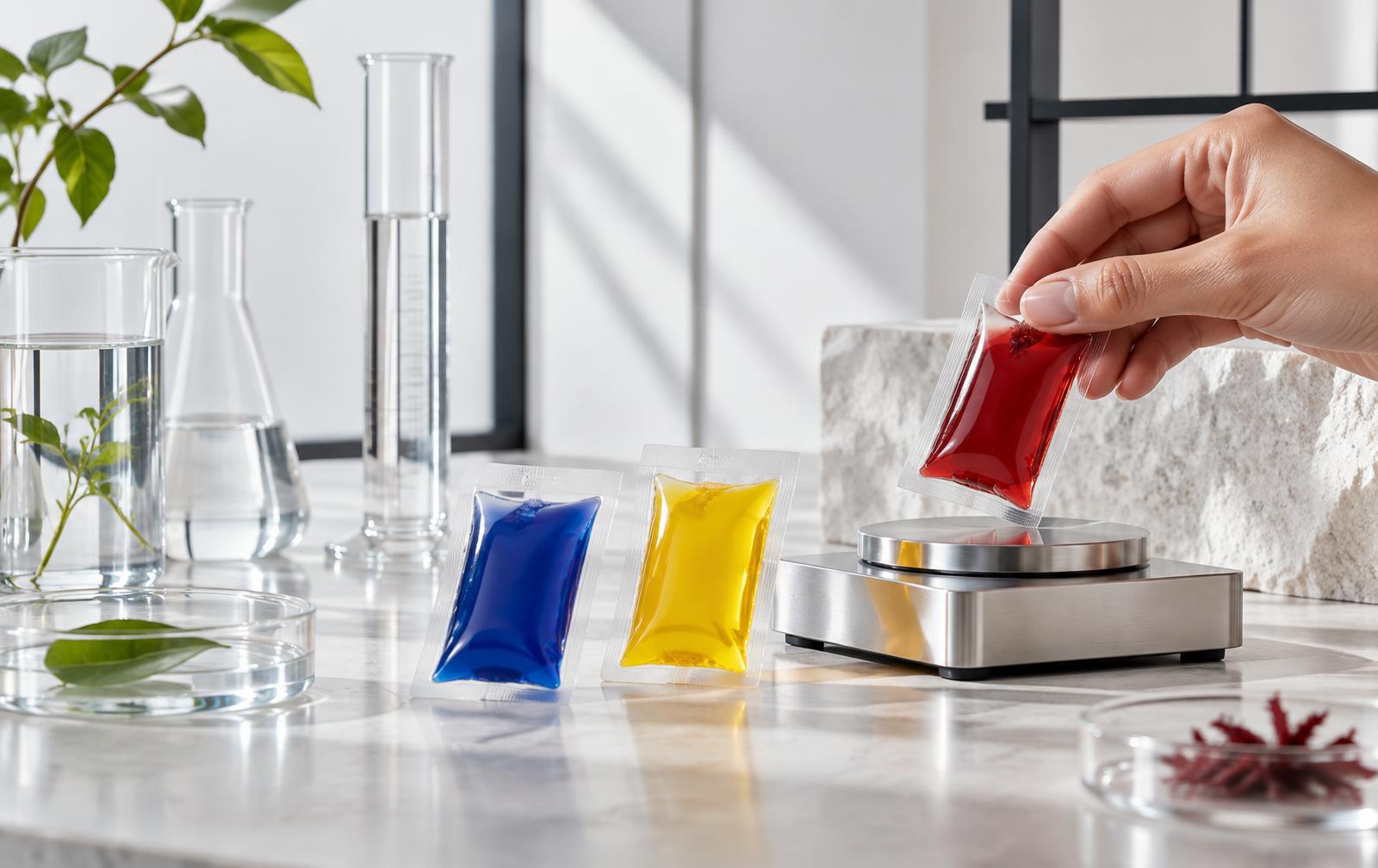
That is why CODE uses a single-serve jelly shot: no handful of capsules, shaker bottle, scooping or complicated routine. The format is a design choice for portability and consistency—not a promise that every ingredient becomes more bioavailable.
Tear it. Take it. Get on with your day.
Interactive label checklist
0 / 6 CHECKED
Questions people ask
It generally describes using an ingredient amount informed by relevant scientific or clinical research rather than including only a nominal quantity. There is no universal clinical dose for all ingredients.
No. An ingredient may have been studied at a particular dose without the finished multi-ingredient product itself having undergone a clinical trial.
No. Appropriate dosage depends on the ingredient, evidence, safety, formulation and intended nutritional purpose.
Sometimes people notice subjective effects from certain ingredients. Other nutritional effects are not associated with an immediate sensation, and individual responses vary.
Transparency around dosage helps people evaluate not only which ingredients they are taking, but how much they are receiving.
The takeaway
The ingredient gets the attention. The amount, form, research context, delivery and consistency tell the rest of the story.
NEXT: EXPLORE JELLY DELIVERYENERGY CODE™
CODE CLUB $72